



RATING ★★★★★
TOUR: Charming Orang Utan Island + Penang City Tour (Full-Day by SUV)
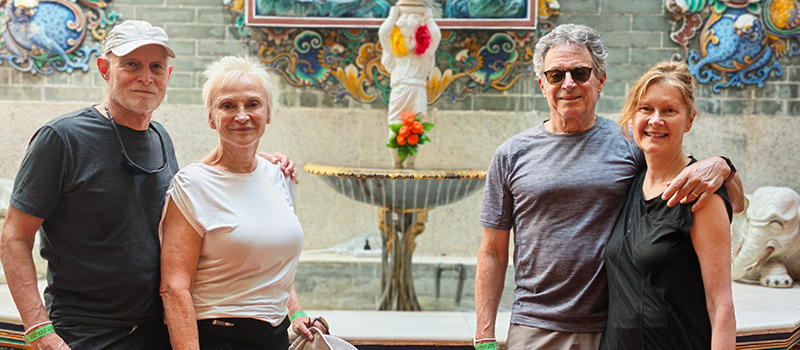
We had a wonderful tour! We were 4 adults and Lawrence had shown us a wonderful day at the sanctuary as well as the city. He explained many aspects of local life. We had a wonderful lunch in a local cafe he recommended. His driving and drop off points were so convenient. We had wonderful rides in trishaws, each of us in our own trishaw. We were told we had to pay $2 per person in cash to the trishaw drivers which we did prior to the rides. At the end of the day tour, we were told that we also owed Lawrence an additional $60 total for the four 15 minute rides. This seemed quite overpriced compared to what I've read online about pricing.
TOUR GUIDE RESPONSE:
Yes, it was overpriced. The usual trishaw ride ends at Khoo Kongsi. This ride, we changed to Chew Jetty. The drivers skipped Little India and Chinatown, probably because of my unclear instructions. My apologies. Thank you for still giving me a 5-star review.
Random Travel Suggestion:
Pinang Peranakan Mansion, Penang, Malaysia
In the vibrant heart of George Town, Penang—a city where history is etched into every street corner and architectural detail—there stands a structure that acts as a portal to a bygone era of unparalleled opulence. The Pinang Peranakan Mansion is more than just a historical building; it is a meticulously preserved monument to the unique culture of the Peranakan people, often referred to as the Babas and Nyonyas. As you stand before its distinctive, pandan-green facade, you are not merely looking at a house; you are looking at the embodiment of a lifestyle defined by the harmonious fusion of Chinese tradition, Malay influence, and European colonial flair.
The Essence of Peranakan HeritageTo understand the significance of this mansion, one must first appreciate the community that built it. The Peranakan culture emerged as early as the 15th century, born from the union of Chinese immigrants and the local population of the Malay Archipelago. Over generations, these settlers forged a distinct identity, blending the customs, languages, and artistic sensibilities of their diverse backgrounds.
The Pinang Peranakan Mansion—formerly known as Hai Kee Chan, or “Sea Remembrance Hall”—was the late 19th-century residence of Chung Keng Kwee, a legendary Chinese tycoon and leader of the Hakka community. His home was designed to be a declaration of status, wealth, and sophisticated taste. Today, that legacy lives on through the museum, which houses over 1,000 rare antiques, jewelry, and artifacts, offering an intimate look at the extravagant lives once led by the Peranakan elite.
An Architectural MasterpieceThe mansion is a brilliant example of “Straits Eclectic” architecture. When you step inside, the first thing that strikes you is the sheer ambition of the design. It is a stunning visual conversation between different corners of the world. Chinese hand-carved wooden panels and screens, representing ancestral traditions, sit comfortably alongside English floor tiles, Scottish cast-iron balustrades, and imported European chandeliers.
The layout of the house itself is a testament to Chinese architectural principles, designed for balance and functionality. A central open courtyard with an “air well” provides natural ventilation and light, a vital feature in Penang’s tropical climate. This open-air space allowed the home to remain cool while symbolizing the prosperity that was believed to flow into the house like sunlight.
A Journey Through the RoomsA visit to the mansion is a journey through layers of history. Each room is curated to represent a specific aspect of the household’s daily life, filled with items that were once cherished family heirlooms.
The Ground Floor: Public SplendorThe ground floor was designed to impress. Upon entering, you encounter the grand reception hall, where the family hosted business associates and distinguished guests. Every surface is adorned with ornate furniture and displays of fine porcelain, silverware, and decorative glass. The dining hall features the legendary tok panjang, a long, beautifully set table used for lavish banquets, illustrating the importance of hospitality and the elaborate, time-consuming nature of Nyonya cuisine.
The Upper Level: Private EleganceAscending the ornate mahogany staircase, you find yourself in the more private quarters of the home. Here, the Family Hall is adorned with large, imposing portraits of Chung Keng Kwee and his family, serving as a reminder of the patriarchal traditions that guided the household. Flanking this central hall are the bridal chambers, perhaps the most fascinating rooms in the entire mansion. These spaces display the elaborate rituals and traditions associated with Peranakan weddings, which were legendary for their length, complexity, and sheer beauty, often lasting twelve days and filled with intricate symbolic gestures.
The Cultural CollectionsThe Pinang Peranakan Mansion is renowned for its vast collection of artifacts. As you stroll through the various galleries, you will find yourself surrounded by treasures that are both personal and historical.
-
Jewelry and Embroidery: The museum houses a dedicated gallery for Nyonya jewelry and beadwork. You will see kasuk manek (intricate beaded slippers), delicate tiaras, gold purses, and bangles, all of which showcase the incredible patience and skill of the Nyonyas. The embroidery work on traditional wedding gowns and accessories is a testament to the high value placed on domestic craftsmanship.
-
Domestic Artistry: Beyond the fine jewelry, the home is filled with everyday objects elevated to art. From eccentric glass pergolas and Victorian glassware to sets of vibrant Nyonya porcelain—characterized by their bright colors and floral, phoenix, or butterfly motifs—every item in the house tells a story of a family deeply connected to the global trade routes of the 19th century.
No tour of the mansion is complete without discovering the secret passage that leads to the nearby Chung Keng Kwee Ancestral Temple. This temple was built to honor the home’s founder and serves as a site of worship and reflection. The temple is just as ornate as the main house, featuring intricate carvings, colorful ceramic figurines on the roof eaves, and a life-sized sculpture of Chung Keng Kwee. It provides a quiet, meditative conclusion to the tour, emphasizing the importance of ancestral veneration in the Peranakan worldview.
Preparing for Your VisitTo fully appreciate the beauty of the Pinang Peranakan Mansion, a few tips can enhance your experience:
-
Guided Tours: The mansion offers excellent guided tours, highly recommended. The guides bring inanimate objects to life, sharing fascinating anecdotes about the family’s history, customs, and the meaning behind the many symbols throughout the house.
-
Etiquette: As this is a house museum filled with priceless antiques, visitors are encouraged to move with care. Some areas may require you to remove your shoes, a practice that respects the home’s traditional customs and helps preserve the delicate flooring.
-
Duration: Allow at least 1.0 to 1.5 hours for your visit. The depth of the collection is such that you will want time to linger in each room, absorb the details, and perhaps step back to simply imagine the bustling, opulent life that once filled these halls.
-
The Best Time to Visit: To escape the heat and crowds, aim for a weekday morning or a late afternoon. This allows you to explore the rooms at a leisurely pace.
The restoration of this mansion was a monumental task undertaken by dedicated collectors who recognized the value of rescuing a piece of Penang’s identity from the brink of decay. By visiting, you help preserve this legacy. You are seeing the world through the eyes of the Babas and Nyonyas, a community that managed to create something entirely new and beautiful by embracing the best of the worlds they inhabited.
The Pinang Peranakan Mansion is not merely a display of wealth; it is a celebration of identity. It tells a story of adaptation, resilience, and a unique cultural pride that has left an indelible mark on Penang’s identity. As you walk out of the mansion and back into the historic streets of George Town, you carry with you a deeper understanding of the "Straits-born" culture that makes this city truly one of a kind. Whether you are a history buff, an architecture enthusiast, or simply a traveler looking to connect with the soul of Malaysia, this mansion offers an experience that lingers in your memory long after you depart.
 Search This Site
