



In Malaysia’s rich culinary landscape, few freshwater delicacies command as much prestige and fascination as the Empurau and the Sultan fish. Often associated with luxury dining and high social status, these two species are widely regarded as among the most expensive freshwater fish in the country. Their value is not merely a matter of taste, but a combination of rarity, ecology, cultural perception, and market demand.
The Legendary Empurau
The Empurau, scientifically known as Tor tambroides, is frequently referred to as the “King of the River.” Native primarily to the rivers of Sarawak in Malaysian Borneo, this fish has achieved near-mythical status among food connoisseurs. In Mandarin, it is nicknamed “Wang Bu Liao” (忘不了), meaning “unforgettable,” a name that reflects both its flavour and its extraordinary price.
Empurau is widely considered the most expensive freshwater fish in Malaysia, with prices typically ranging from RM800 to RM2,000 per kilogram, and occasionally even higher for large wild specimens. Some exceptional catches have been sold for several thousand Ringgit, making it a luxury item often reserved for banquets, corporate entertaining, or special occasions.
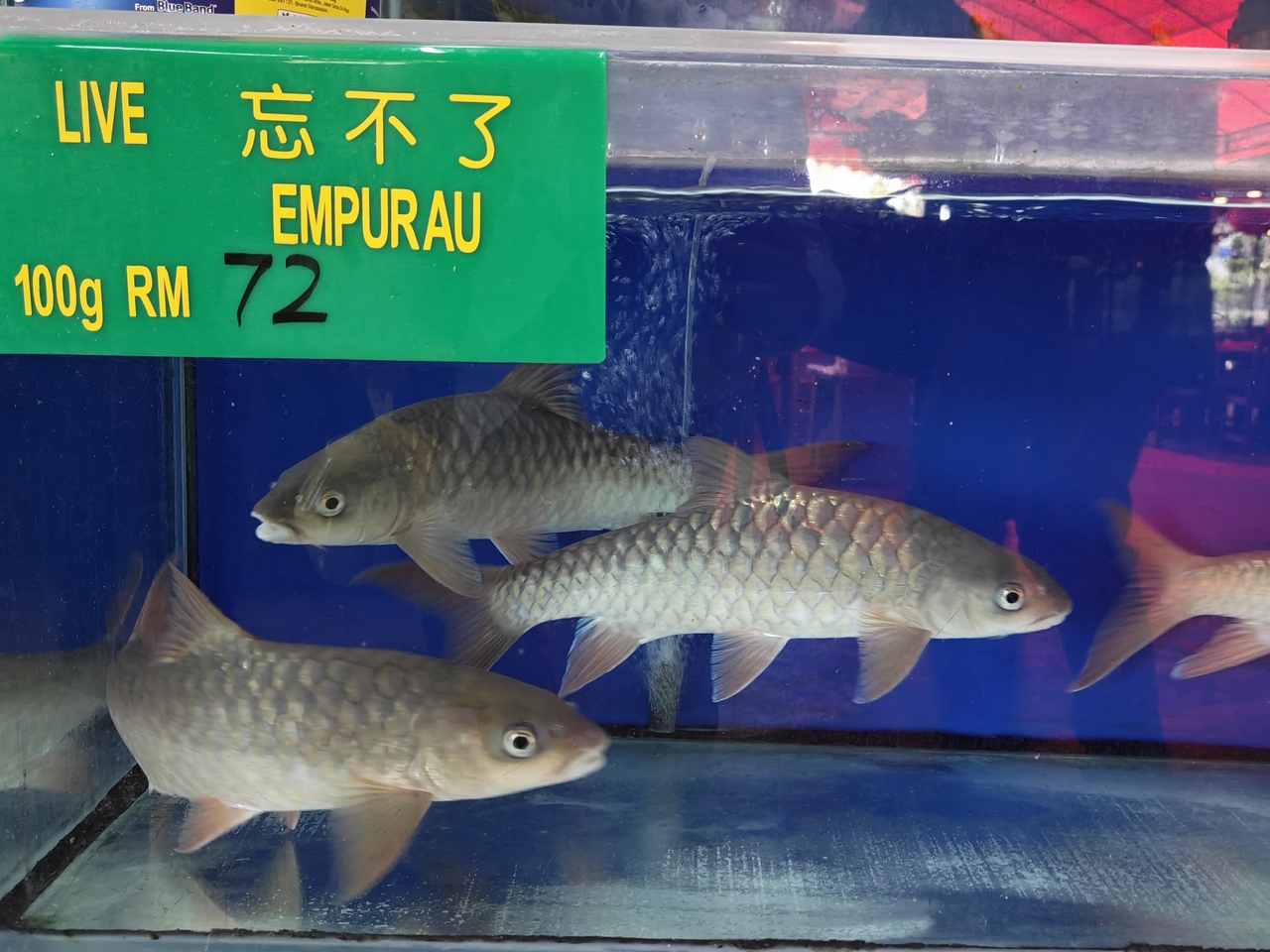
Its rarity and slow growth rate largely drive Empurau's high price. This species thrives only in clean, fast-flowing rivers with pristine ecosystems. It grows slowly and has a relatively low reproductive rate, making a sustainable supply a constant challenge. Overfishing and environmental degradation have further reduced wild populations, increasing their scarcity and value.
However, the most distinctive feature of Empurau lies in its diet. In the rivers of Sarawak, the fish feed on a variety of wild fruits, particularly the engkabang (wild illipe nut). These fruits impart a unique flavour profile to the fish—often described as creamy, buttery, slightly sweet, and subtly fruity. The flesh is tender and rich, often said to “melt in the mouth,” and requires minimal seasoning to appreciate its natural flavor.
Because of these characteristics, Empurau is typically prepared using simple cooking methods such as steaming, allowing the intrinsic flavours to dominate. In high-end restaurants, it is treated as a premium ingredient, comparable to luxury seafood such as abalone or lobster.
The Sultan Fish: A Refined Alternative
The Sultan fish, commonly identified as a type of threadfin (family Polynemidae), is another prized species in Malaysian cuisine. While not as astronomically priced as Empurau, it is still considered a high-value freshwater or estuarine fish, often regarded as a more accessible luxury.
Sultan fish is typically found in tropical coastal waters, estuaries, and river mouths. It is known for its delicate, white flesh and a naturally sweet, clean taste. Compared to Empurau, its flavour is lighter and less fatty, but still highly refined and appealing to diners who prefer a subtler profile.
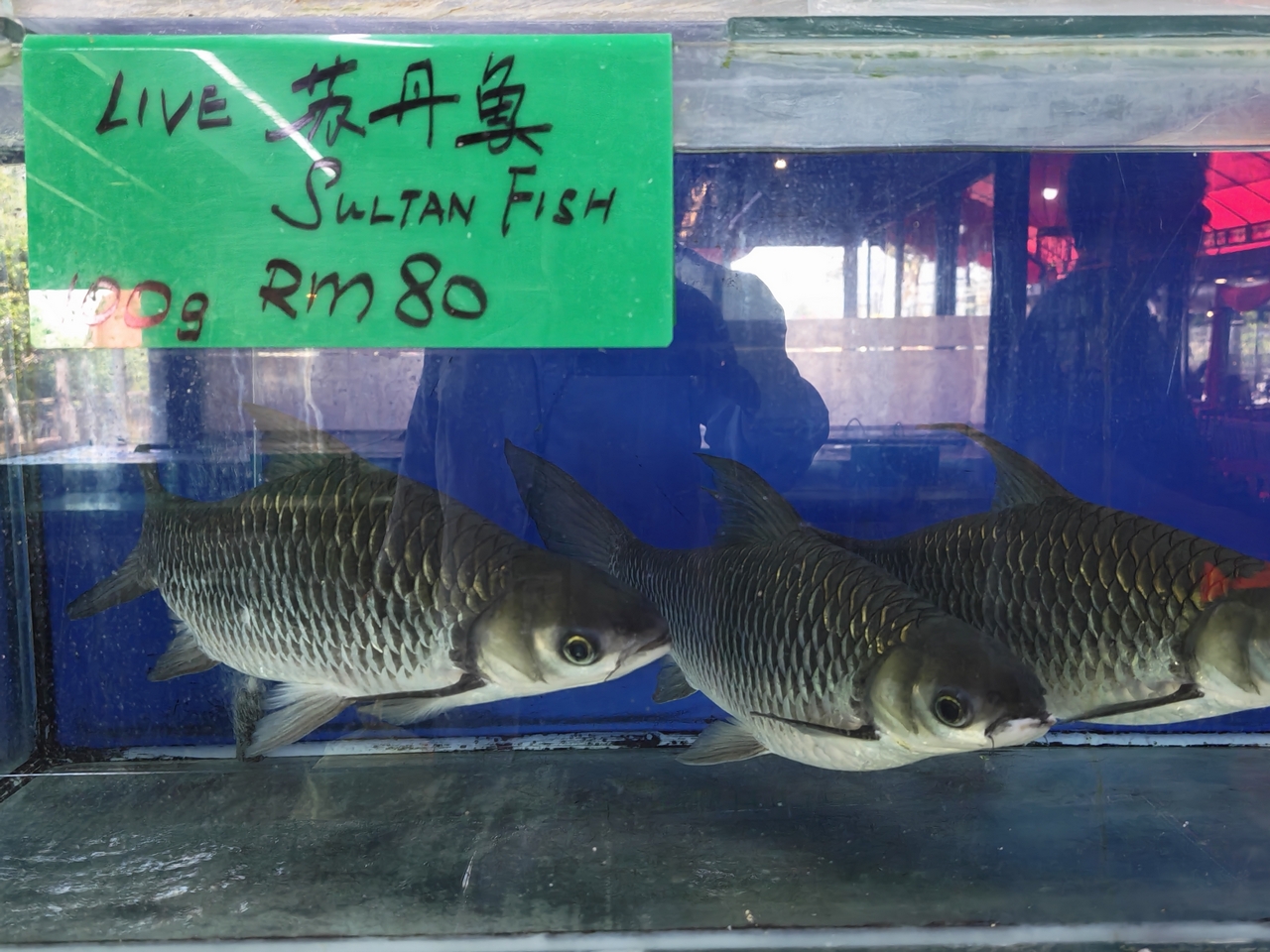
One of the defining physical features of the Sultan fish is its elongated body and distinctive thread-like fins, which give it both its name and its visual appeal. It is usually smaller than Empurau and is commonly harvested at lengths of 20–30 cm, making it more suitable for individual servings.
Although Sultan fish does not reach the extreme price levels of Empurau, it is still considered premium due to its texture and culinary versatility. The flesh is firm yet tender, with a moderate oil content that enhances flavour without being overwhelming. It is commonly prepared steamed, fried, or used in soups, and is especially popular in Chinese-style cuisine.
Why Are These Fish So Expensive?
The high prices of both Empurau and Sultan fish can be explained through several key factors:
1. Environmental Dependence
Empurau, in particular, depends on pristine river ecosystems. Any disturbance—pollution, logging, or dam construction—directly impacts its habitat and population.
2. Slow Growth and Limited Supply
Empurau grows slowly and reproduces at a low rate, making it difficult to farm efficiently. Even with aquaculture efforts, replicating its natural diet and environment remains challenging.
3. Unique Taste Profiles
Both fish offer flavour characteristics that are difficult to replicate. Empurau’s fruit-influenced richness and Sultan fish’s clean sweetness set them apart from common freshwater species.
4. Cultural Prestige
In Malaysia and across parts of Asia, serving expensive fish is often associated with status, generosity, and celebration. Empurau, in particular, is frequently used as a centerpiece dish at banquets.
5. Market Demand
Demand from affluent consumers, including international buyers, further drives up prices. In some cases, Empurau is exported or specially ordered for high-end dining experiences.
A Comparison of Two Icons
While both fish are premium, they occupy slightly different positions in the market. Empurau is the undisputed luxury icon—rare, expensive, and deeply tied to Sarawak’s river ecosystems. Sultan fish, on the other hand, is a refined yet more accessible option, offering excellent flavor without the steep price tag.
In culinary terms, Empurau is often described as indulgent and complex, while Sultan fish is elegant and balanced. Both reflect the richness of Malaysia’s aquatic biodiversity and the cultural importance of fine seafood.
Conclusion
Empurau and Sultan fish are more than just food—they are symbols of Malaysia’s natural heritage and culinary sophistication. Their high prices are not arbitrary, but rooted in ecological rarity, biological characteristics, and cultural value. For those who have the opportunity to taste them, these fish offer not just a meal, but an experience that justifies their reputation as two of the most prized freshwater delicacies in the country.


